
Over AUD6 Million Invested in Water Science Projects Across South Australia
The Australian and South Australian governments are investing AUD6.2 million in three new water science projects, including a nation-leading pilot, to explore innovative approaches to managing and delivering water for regional and remote communities.
The projects focus on improving water security through managed aquifer recharge (MAR), a proven method of storing water underground in aquifers where it is protected from evaporation. With climate change placing increasing pressure on South Australia’s water resources—particularly surface water—these initiatives aim to build resilience and support long-term water sustainability.
Projects funded under the program include:
Loxton Managed Aquifer Recharge (MAR) Project
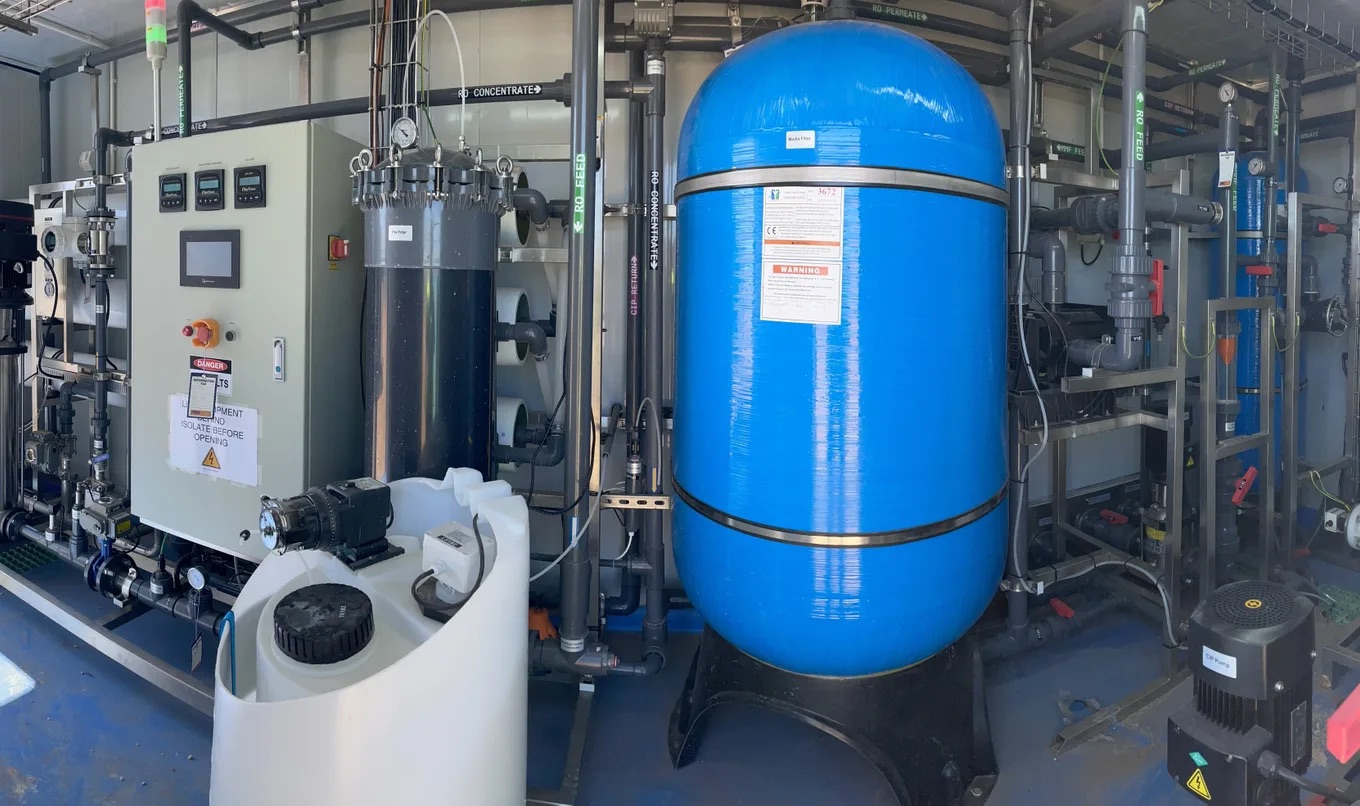
In an Australian first, a AUD4.8 million aquifer storage and recovery facility using reverse osmosis technology will be established at the Loxton Research Centre. The project will desalinate brackish groundwater and store surplus treated water in an aquifer for future agricultural and irrigation use.
The facility will create a strategic groundwater reserve to help buffer against seasonal variability and drought, while easing pressure on the River Murray. Lessons from the project will inform MAR opportunities in other water-scarce regions across Australia.
Commissioning of the facility is expected to begin in mid-next year.
State-wide Managed Aquifer Recharge Assessment
This project will investigate opportunities to supplement regional water supplies through MAR to improve water security in remote South Australian communities. It will identify suitable locations and assess options for capturing and storing stormwater underground, helping to retain a valuable resource that would otherwise be lost. Other potential MAR water sources will also be examined.
Small to Medium-Scale Desalination and Brine Disposal Study
Targeting groundwater resources suitable for desalination, this project aims to help regional towns avoid future water shortages. It will assess brine disposal options at potential sites, alongside regulatory requirements, environmental impacts, cost effectiveness, and the long-term sustainability of desalination as a water supply solution.
Australian Government funding for the jointly delivered projects is provided through the National Water Grid Fund, supporting collaborative efforts to strengthen water security and climate resilience across South Australia.