
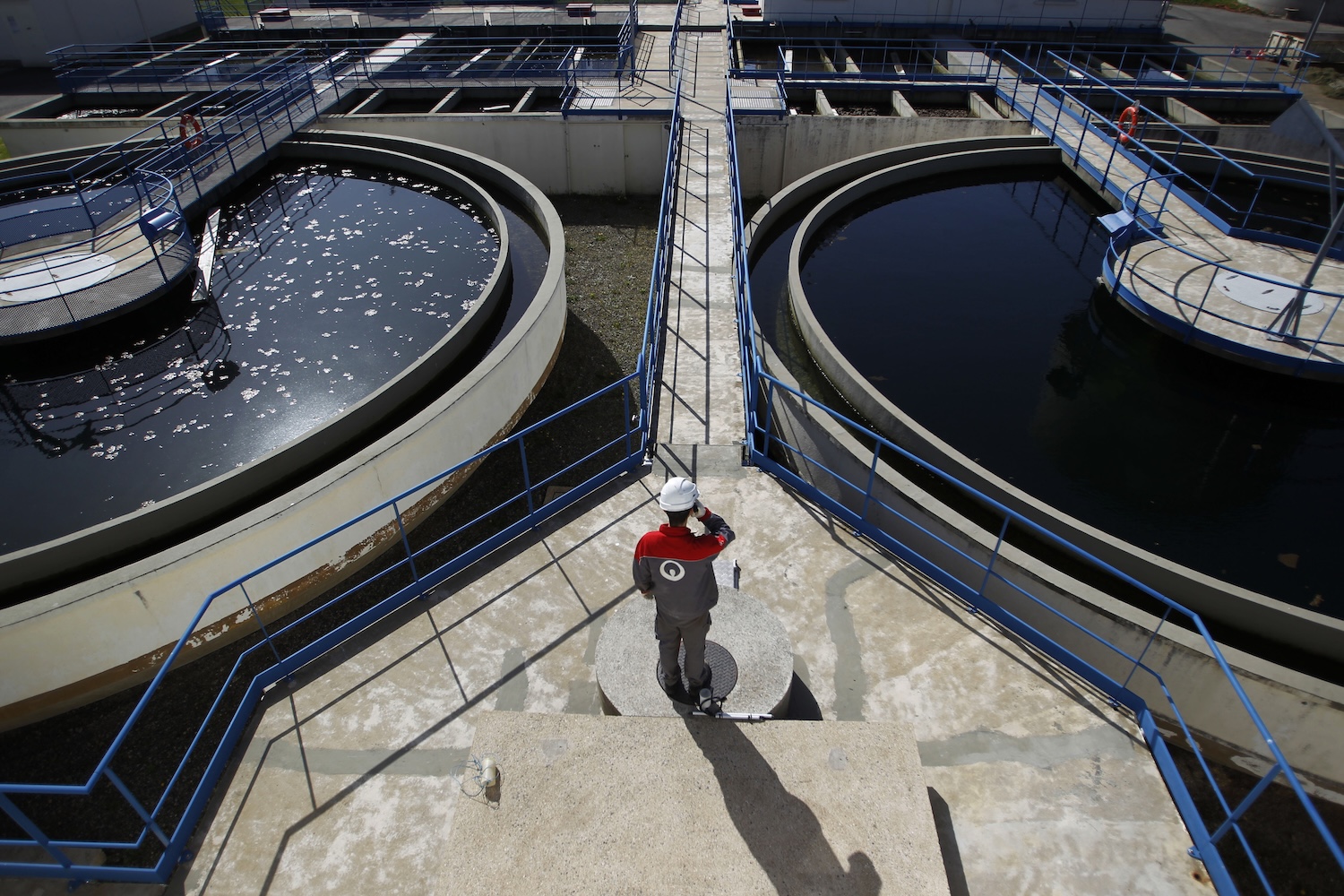
Rethinking Water: How Mobile Solutions and Digital Innovation Are Shaping the Future
As water challenges intensify across the globe—from climate-driven disruptions to the rapid growth of water-intensive industries—technology and innovation are becoming critical to securing sustainable water supplies.
In this interview, Nicole Springer, CEO of Veolia’s mobile water and integrated services, and Irshaad Hakim, Veolia’s Executive Vice President in charge of water technologies activities in APAC, discuss the evolving role of mobile water solutions, digital platforms and regional investment strategies as the company expands its footprint across Asia Pacific.
Asian Water: Veolia has expanded its portfolio significantly in recent years. How would you describe the core strategic vision of Veolia’s water technologies business, particularly in terms of mobile water solutions?
Nicole: As we move further into 2026, our customers increasingly recognise that economic stability depends on environmental security. In the water sector, this means ensuring reliable access to water while managing environmental impact.
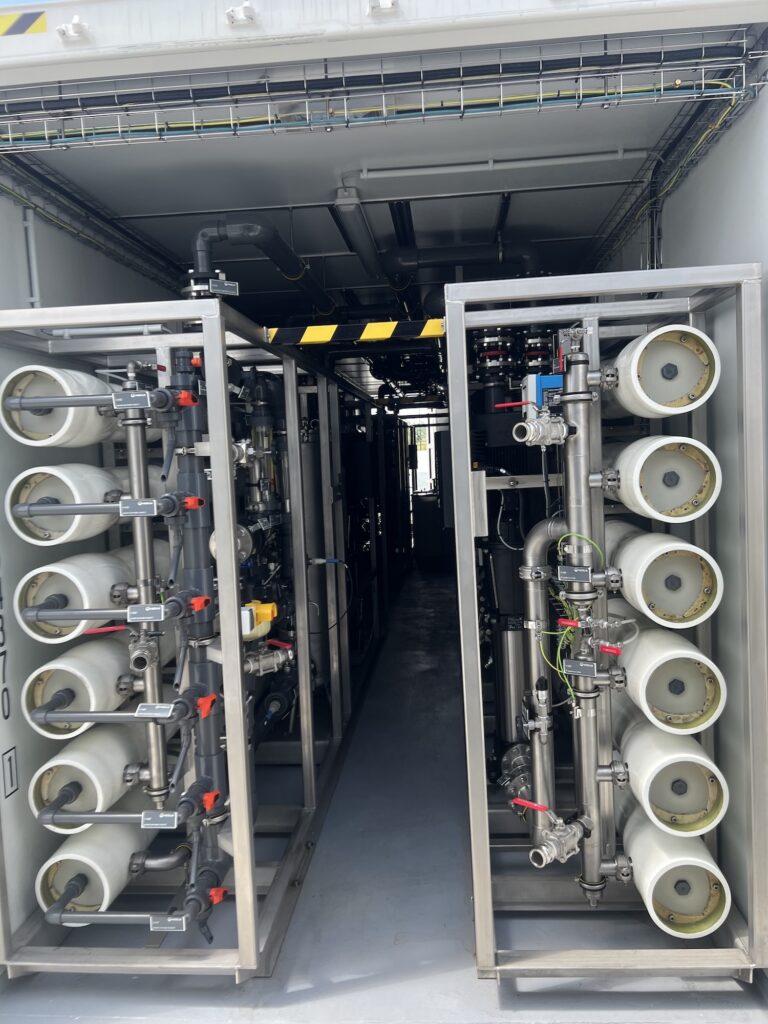
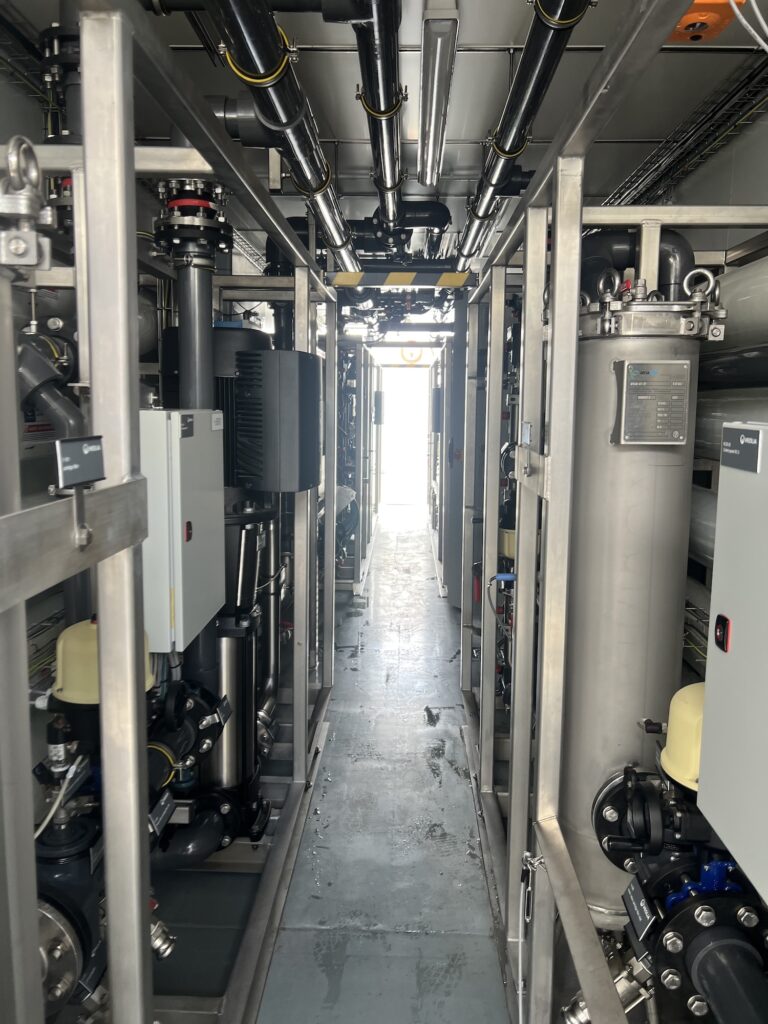
Mobile water solutions have evolved significantly. They were once seen primarily as emergency or short-term solutions, but today they serve as rapidly deployable, modular systems that can operate for both short- and long-term needs. These systems allow customers to secure water supply without the long timelines and capital investments required for permanent infrastructure.
We are also seeing customers focus more on their core operations while relying on partners like Veolia to manage their water requirements. Mobile solutions offer flexibility and speed, helping customers scale operations quickly while maintaining reliable water treatment and supply.
Another major driver is the rapid growth of data centres. Building permanent water treatment infrastructure can take years, but data centres need to become operational quickly. Mobile water systems allow operators to bridge that gap and begin operations while long-term infrastructure is developed.
Irshaad: There is a common misconception that “mobile” means small. In reality, mobile water solutions can operate at very large capacities. The key advantage is not just mobility but the ability to deploy systems quickly and scale them according to demand.
We have implemented mobile installations capable of treating up to 15 MLD, designed to support both short-term deployments of a few days and longer-term operations lasting up to 10 to 15 years.
This flexibility is particularly important for industries like data centres, which ramp up operations gradually. In markets such as Malaysia, where significant investments in data centres are underway, operators are increasingly required to consider recycled or reused water. Mobile systems allow them to meet those requirements while scaling operations efficiently.
Veolia operates the world’s largest mobile water fleet. In Asia, we have facilities in Penang and Singapore, and we are expanding manufacturing capacity in India to meet growing demand.
Asian Water: What trends are you seeing in the demand for water services across Asia Pacific compared to other regions?
Irshaad: Asia Pacific is extremely diverse, both in terms of regulatory frameworks and industry demand. Some countries—such as China and India—have strong policy mandates around water security. These policies drive significant investments in advanced solutions such as water recycling, reuse and zero-liquid discharge systems.
Other countries treat environmental regulations more as guidance rather than strict mandates. In these markets, customers may adopt simpler solutions first before transitioning to more advanced water management systems.
Industry trends are also shaping demand. For instance, global supply chain shifts are driving investment in microelectronics manufacturing across Asia. These facilities require ultra-pure water for production processes and advanced wastewater treatment to close the loop and reduce environmental impact.
Data centres are another major growth area. They require reliable water supply and efficient cooling systems, creating new demand for advanced water treatment solutions.
Traditional industrial sectors remain important as well. Industries such as petrochemicals use large volumes of water for cooling and processing, and companies are increasingly seeking solutions that improve efficiency and reduce environmental impact.
Food and beverage production is also a significant sector in Asia Pacific. Requirements vary widely depending on local regulations around wastewater discharge and water reuse.
In Australia, the mining industry drives strong demand for water solutions. Mining operations require water management both to remove water from mines and to support processing operations.
Finally, municipal infrastructure continues to be a major focus. Governments often invest in municipal water infrastructure during periods of economic uncertainty. Veolia frequently works on what we call “intensification” projects, where we upgrade existing treatment facilities to increase capacity and efficiency without building entirely new plants.
Asian Water: Veolia emphasises digital and technology-enabled solutions. Which innovations are you most excited about right now?
Nicole: One of the most exciting developments is the expansion of our digital platform, Hubgrade. Our goal is to connect all our assets and systems within a unified digital ecosystem.
Through this platform, we can implement predictive and proactive maintenance, allowing us to optimise system performance and reduce operational costs. These digital capabilities also enable us to provide customers with deeper insights into their water usage and infrastructure performance.
Given the scale of investment required to address global water challenges, digital solutions are essential. They allow us to optimise existing infrastructure and make smarter decisions about resource allocation.
Ultimately, our vision is to deliver integrated water management solutions that focus on measurable outcomes for our customers.
Irshaad: Hubgrade acts as the core digital platform, with multiple modules built on top of it. One particularly exciting development is our water footprint module.
This system allows us to map how a facility uses water in real time—where water is consumed, when demand peaks occur and how resources flow through the entire system. With that visibility, customers can optimise water use and improve efficiency.
The platform also enables live reporting, which is increasingly important as companies face growing pressure to monitor and report environmental performance.
When combined with digital twin technology, these tools allow operators to simulate and optimise their systems in real time, significantly improving operational efficiency.
Asian Water: With increasing climate challenges such as droughts and floods, what role do water solutions play in enhancing resilience for cities and industries?
Irshaad: Climate-related disruptions are becoming more frequent and more severe, particularly across Asia Pacific. Events such as typhoons, floods and droughts can quickly disrupt water supply systems.
Mobile water solutions allow us to respond rapidly to these challenges. For example, when extreme weather events affect water quality or availability, we can deploy mobile systems to maintain supply.
Flooding often introduces contaminants into water sources. Organic materials, bacteria and other pollutants can be washed into rivers and reservoirs. Mobile treatment systems can supplement existing infrastructure during these periods to ensure safe water supply.
Veolia also works with municipalities and industrial clients to develop contingency plans for water supply disruptions. Through prior service agreements, we prepare response strategies in advance so that systems can be deployed quickly when emergencies occur.
Digital monitoring also plays a critical role. Smart systems provide real-time data and early warnings, allowing operators to detect changes and respond before disruptions escalate.
Asian Water: How do mobile water technologies fit into Veolia’s broader sustainability and circular economy goals?
Nicole: Mobile water solutions provide the flexibility to implement water reuse and resource recovery exactly where they are needed. They can serve as a bridge between immediate operational needs and long-term sustainability strategies.
At Veolia, sustainability is embedded into our GreenUp strategy, which focuses on three key priorities: decarbonising operations, reducing pollution and regenerating resources.
We measure our environmental performance through a comprehensive set of indicators, and sustainability considerations are integrated into every level of our operations.
Irshaad: Our sustainability framework is based on what we call multifaceted performance, which includes 14 key criteria covering environmental, social and economic impact.
This framework applies across the entire organisation—from global leadership to regional teams and individual employees. Every project is evaluated in terms of how it contributes to these performance indicators.
We also run a programme called “Proof, Not Promises,” where we work with customers to implement projects that deliver measurable environmental improvements for our chemical solutions and monitoring business.
Increasingly, customers evaluate water solutions not only on upfront costs but on total cost of ownership and environmental impact. Our goal is to deliver solutions that are both economically efficient and environmentally sustainable.
Asian Water: What are the biggest regulatory or policy hurdles in Asian markets, and how does Veolia work with policymakers to address them?
Irshaad: Regulatory frameworks across Asia Pacific vary widely. Some countries have strong enforcement mechanisms, while others are still developing their policies.
One challenge is that regulations may change frequently or lack consistent enforcement, making long-term planning difficult for industries.
However, the technologies required to address today’s water challenges already exist. The real challenge is accelerating adoption.
We work closely with governments, regulators and industry stakeholders to demonstrate how existing technologies can help achieve environmental goals. Collaboration is essential to developing effective regulatory frameworks.
Funding can also be a challenge, but we are seeing growing interest from investors in sustainable infrastructure projects.
Nicole: It is not a lack of solutions that slows progress—it is often a lack of alignment among stakeholders.
Veolia works closely with policymakers to provide technical expertise and help them understand what is possible. For example, advanced technologies now allow us to treat complex contaminants such as PFAS and micropollutants found in water.
When regulators know that these solutions exist, they can design regulations that are both ambitious and achievable.
Public awareness is also important. In many countries, water is heavily subsidised, which can make it difficult to justify investments in infrastructure upgrades. Greater awareness of the true cost of water supply and treatment is essential for long-term sustainability.
Asian Water: Looking ahead, what are Veolia’s priority investment areas in the Asia Pacific region?
Nicole: Our first priority is expanding our mobile water fleet across Asia Pacific. Demand for these solutions continues to grow, and we are increasing capacity in markets including China, Australia, India and Southeast Asia.
The second priority is digital intelligence. Expanding our digital capabilities will allow us to deliver more efficient, data-driven water management solutions.
Underpinning both is a continued investment in our people. Strong teams are essential for delivering high-quality solutions and supporting long-term growth across the region.
Irshaad: Asia Pacific plays a critical role in the global water sector, and many innovations are being developed or deployed here.
In addition to mobile water and digital technologies, we are investing in the expansion of our manufacturing capacity across the region. This will help strengthen supply chains and ensure we can meet growing demand.
Overall, we see Asia Pacific as a key driver of growth for Veolia, and we are continuing to invest in the region to support the future of sustainable water management.