
Water Stewardship: Keeping Malaysia Resilient in a Changing Climate
By Renuka Indrarajah, Corporate Affairs & Legal Director of HEINEKEN Malaysia
Water often feels unlimited, always there when we need it. But what happens when water runs out? What happens when the rivers dry, the reservoirs shrink and the taps stop flowing?
The truth is that water is not infinite. The lowest average water tariffs in Southeast Asia, climate change, population growth, and industrial demand are putting unprecedented pressure on this vital resource. Although Malaysia is water-rich, concerns about pollution in our waterways continue to grow.
The water challenge
The reality worldwide is more fragile than it looks from our taps. Recent climate change is making rainfall harder to predict, pushing up temperatures and increasing the risk of floods and droughts. In fact, Southeast Asia has just endured one of its deadliest flood seasons in decades: torrential rains and rare cyclones triggered catastrophic flooding across Malaysia, Indonesia, Thailand and Sri Lanka. Malaysia faced repeated evacuations as rivers burst their banks and homes were submerged.
When rivers do not have enough clean water, families, farms, manufacturers and the businesses around them all come under pressure. In practical terms, water risk very quickly becomes business risk, community risk and food risks.
Malaysia’s water reality
This tension is becoming more visible as Malaysia is emerging as one of Southeast Asia’s leading data centre hubs. The total capacity is expected to more than quadruple beyond 2026, supported by major investments from global technology companies.
Recent analysis suggests that water use from data centres in Malaysia could reach around 37.7 billion litres in 2025 and grow to more than 93 billion litres by 2030. In response, the government has begun to reshape the water agenda. The Water Sector Transformation 2040 (AIR 2040), sets out a plan to turn water into a strategic sector that supports economic growth while ensuring water security for all.
Collaboration is Key
As a brewer that relies on good water quality for beer production, HEINEKEN Malaysia recently had the opportunity to discuss this pressing matter at a roundtable hosted by the Climate Governance Malaysia (CGM), where we discussed the urgent need for stronger action on water and river conservation through multisector collaboration and greater awareness of water stewardship across industries, particularly those with larger water demand such as agriculture, energy and power generation and textiles.
During the discussion, Professor Emeritus Dato’ Dr. Mazlin from UN SDSN-Asia at Sunway University highlighted that policy on its own is not enough and that there is a clear need for collaboration. He stressed that university students could play a much bigger role in supporting both business and government at the state, district and local levels.
Water is linked to food, energy and local livelihoods. That’s why we need professors and students to help communities understand these links and to find solutions that fit each district, not just in theory but in practice.
Professor Emeritus Dato’ Dr. Mazlin from UN SDSN-Asia at Sunway University
Dato’ Ir Dr Lim Chow Hock of MyCDNet agreed on the roundtable session that the proposals shared covered most of what is needed to strengthen water stewardship in Malaysia. He brought up the focus on good water governance, grounded in integrated water resources management at the river basin level. In his view, Malaysia needs stronger implementation of water policies at the state level, better protection of water resources and quality, and serious action on water wastage and efficiency, including non-revenue water that still sits above 30% in many areas.
“If we do not tackle pollution and wasted treated water, people will not feel the benefits of any new plan. Getting governance right at the river level and cutting water wastage will do more for Malaysians and for businesses,” he said.
HEINEKEN Malaysia’s ambition towards water stewardship
For HEINEKEN Malaysia, resilience starts with water, both within the brewery and in the communities that share the same sources. Our Brew a Better World strategy shapes how we run the business, with clear goals on climate, water, circularity, social impact and responsible consumption. Since 2014, we have reduced our water use by about 36% through modern high efficiency equipment and better process control at the brewery.
Beyond that, our wastewater is treated above Department of Environment standards, and where it is safe, treated water is reused for cleaning. In 2023, we invested about RM7 million to upgrade our wastewater treatment plant. It now supplies roughly 4% of the brewery’s thermal energy through biogas, turning waste into a useful source of heat.
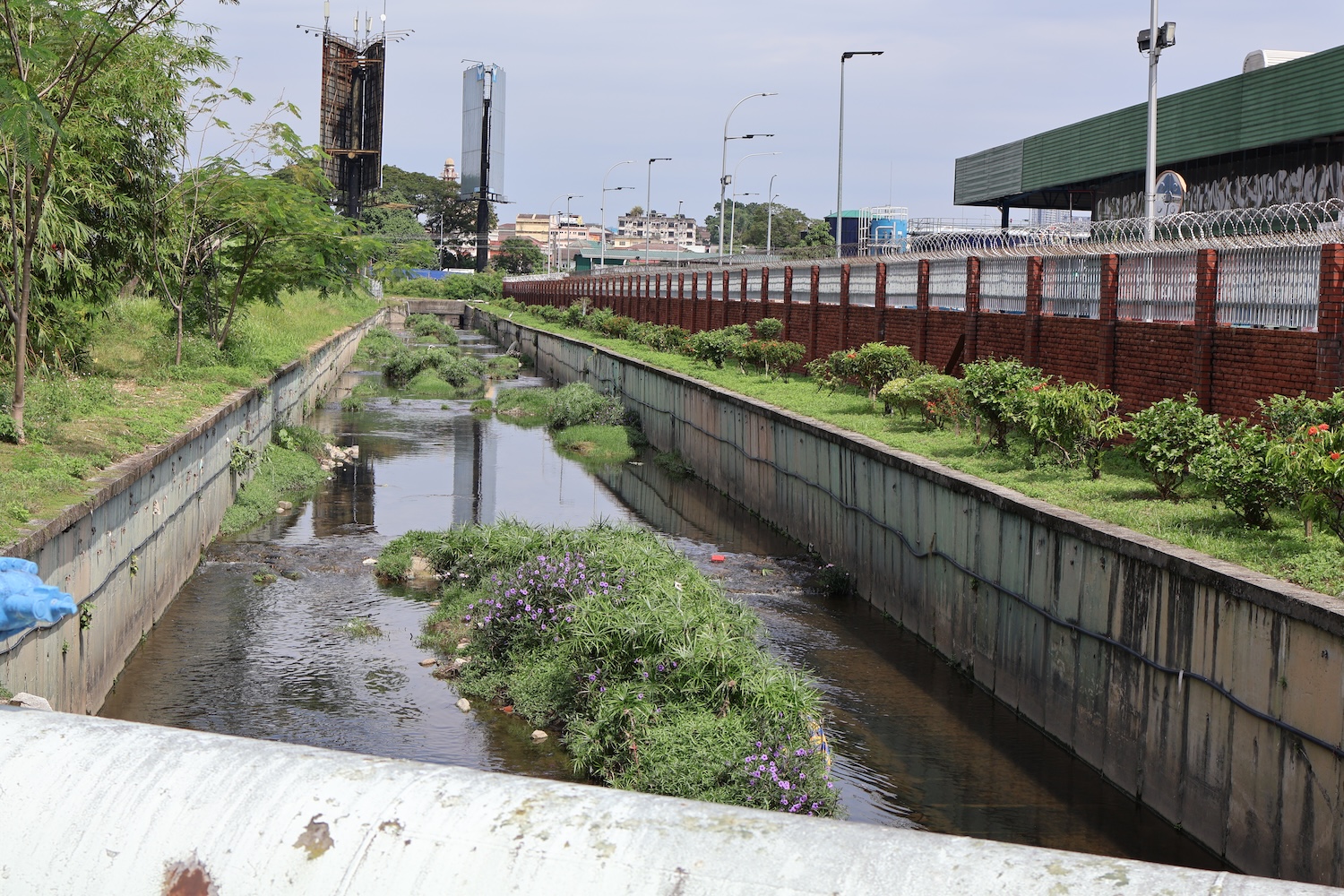
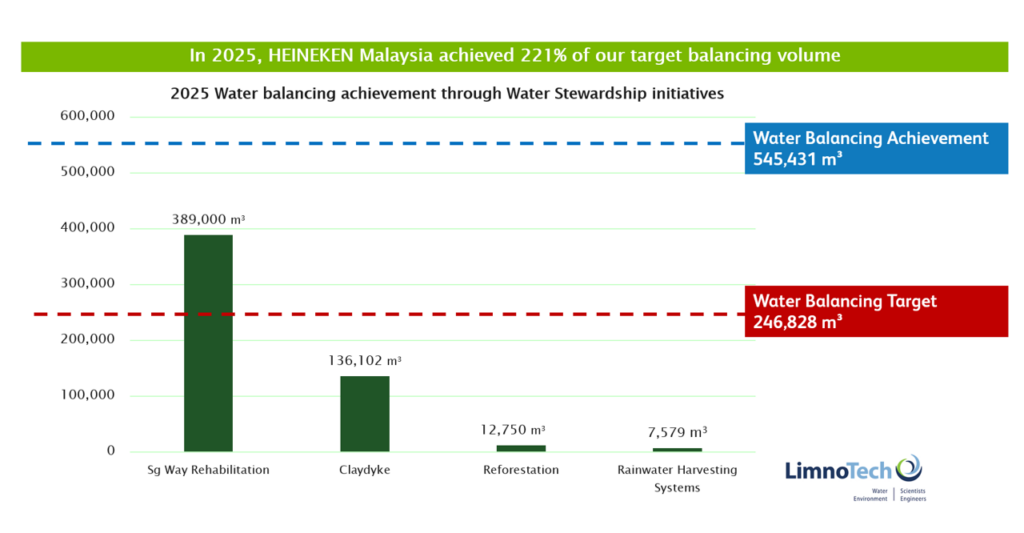
Taking it a step further outside the brewery, our work is centred on the watershed and local communities. Since 2020, we have achieved more than 200% water balancing, which means we replenish more water to local watersheds than the volume that goes into our products. This is measured using the Volumetric Water Benefit Accounting method developed by LimnoTech. Through our long partnership with the Global Environment Centre, government agencies, and local communities, we have seen real impact at sites such as Sungai Way and Raja Musa Forest Reserve, where water quality, soil moisture and forest cover have improved.
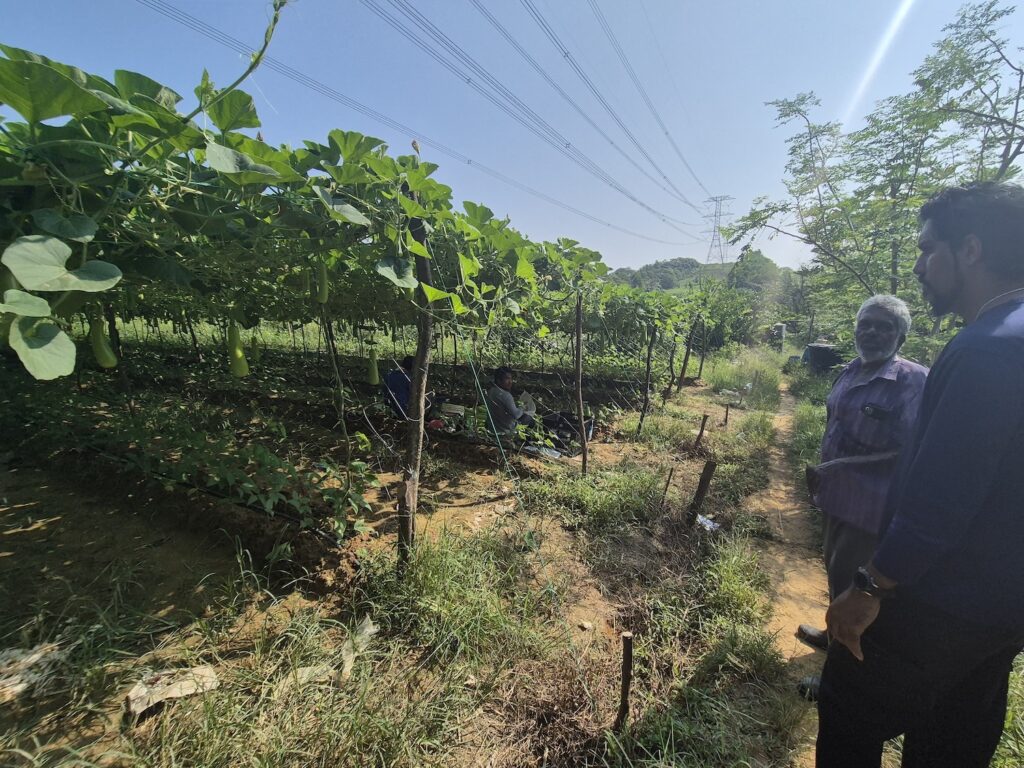
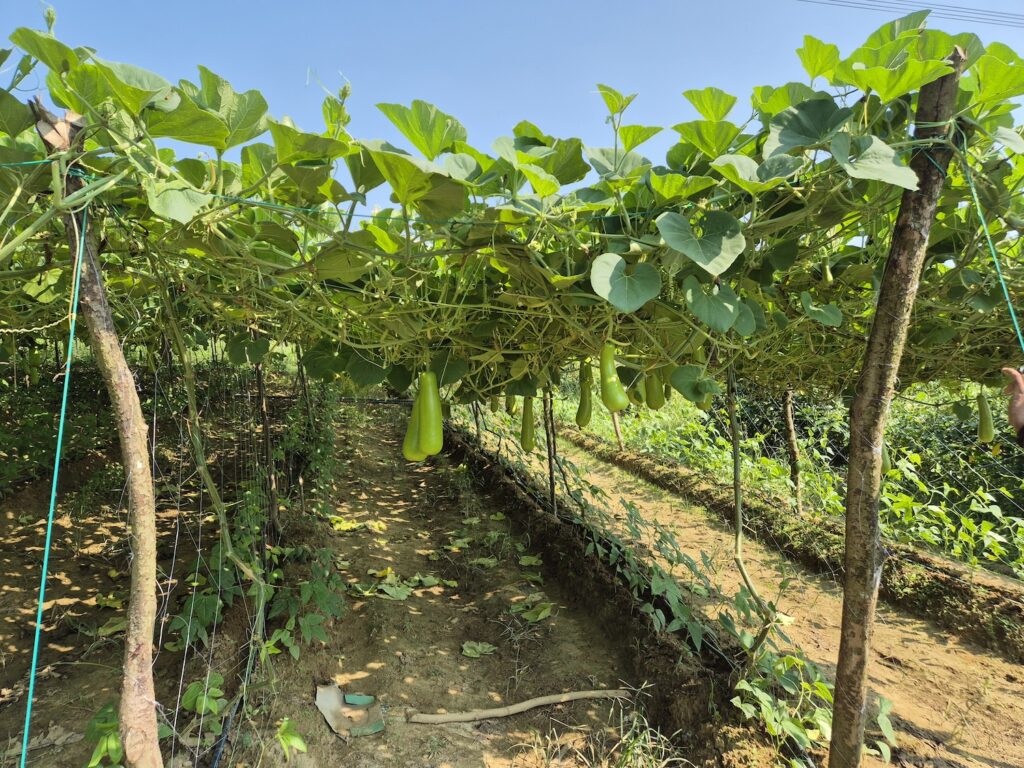
Under the WATER Project and related programmes, we have built and maintained 33 rainwater harvesting units that now support 12 community farms in Peninsular Malaysia. These systems help communities grow food, earn extra income and reduce their dependence on treated water. In East Malaysia, we have worked with partners to install five rainwater harvesting systems and three gravity-fed systems, giving about 5,000 people in rural villages more reliable access to water while supporting community-based organic farms for long-term food security.
Priorities for Malaysia’s water security
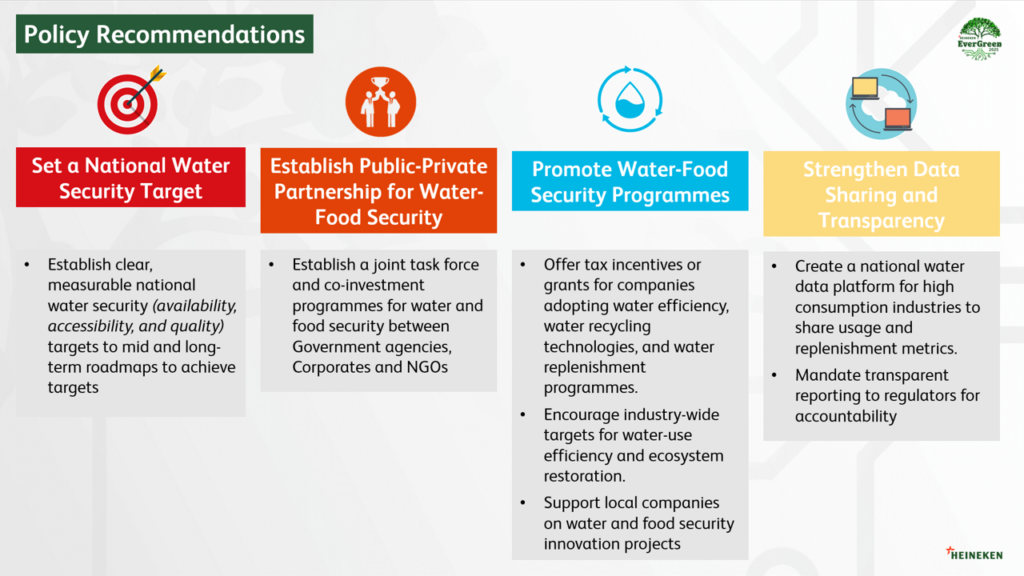
So, what can Malaysia do to secure its water future? It starts with clear priorities and practical steps that bring government, businesses, and communities together. Here are four areas we can focus on to strengthen long-term water security:
First, set clear national water security targets with simple, measurable goals on access and quality, backed by a medium and long-term roadmap to guide regulators, and high-use sectors like agriculture, manufacturing and data centres.
Second, is to strengthen public-private partnerships for water and food security. Joint task forces and co-investment programmes that bring together government agencies, corporates and NGOs can help scale up successful models across key river basins.
Third, we should promote water food security programmes nationwide. Our work with community gardens and rural villages shows how water projects can directly improve livelihoods, nutrition and resilience. By supporting local innovation on water and agriculture, Malaysia can strengthen food security while managing its water resources more wisely.
Lastly, a need for stronger data sharing and transparency. A national water data platform that allows high consumption industries to share their usage and replenishment metrics with regulators would support better planning and risk assessment. It would also enable more credible reporting on water risks and actions, in line with emerging climate disclosure frameworks.
Malaysia remains relatively water-rich, but that advantage is not guaranteed. Domestic consumption is high, tariffs remain low and new industries are adding pressure to systems already stretched by pollution and climate unpredictability. Without intervention, disruptions will grow, and households, businesses and vulnerable communities will bear the brunt.
A call for collaboration
Water security cannot be left to any one group. Government must set clear rules, businesses must manage their footprint and invest in better technology and universities and communities can drive grassroots solutions.
By working together, Malaysia can protect its water, support growth and give people more confidence that the taps will keep running in a changing climate.