
How Hybrid Membrane Technology Helped a New Zealand District Curb Environmental Impact Amid Rapid Growth
For many fast-growing regional communities, wastewater infrastructure is being asked to do more than it was originally designed to handle. Population growth increases hydraulic and nutrient loads, while receiving environments and regulators increasingly require utilities to demonstrate tighter control over effluent quality. The result is a familiar municipal challenge – expand treatment capability while keeping an eye on affordability, buildability and environmental stewardship.
Te Kauwhata, a township in New Zealand’s Waikato region, reflects this wider industry pressure. Growth in the area placed new demands on local wastewater treatment infrastructure, making water quality, regulatory compliance and long-term resilience central priorities for the community and its council.
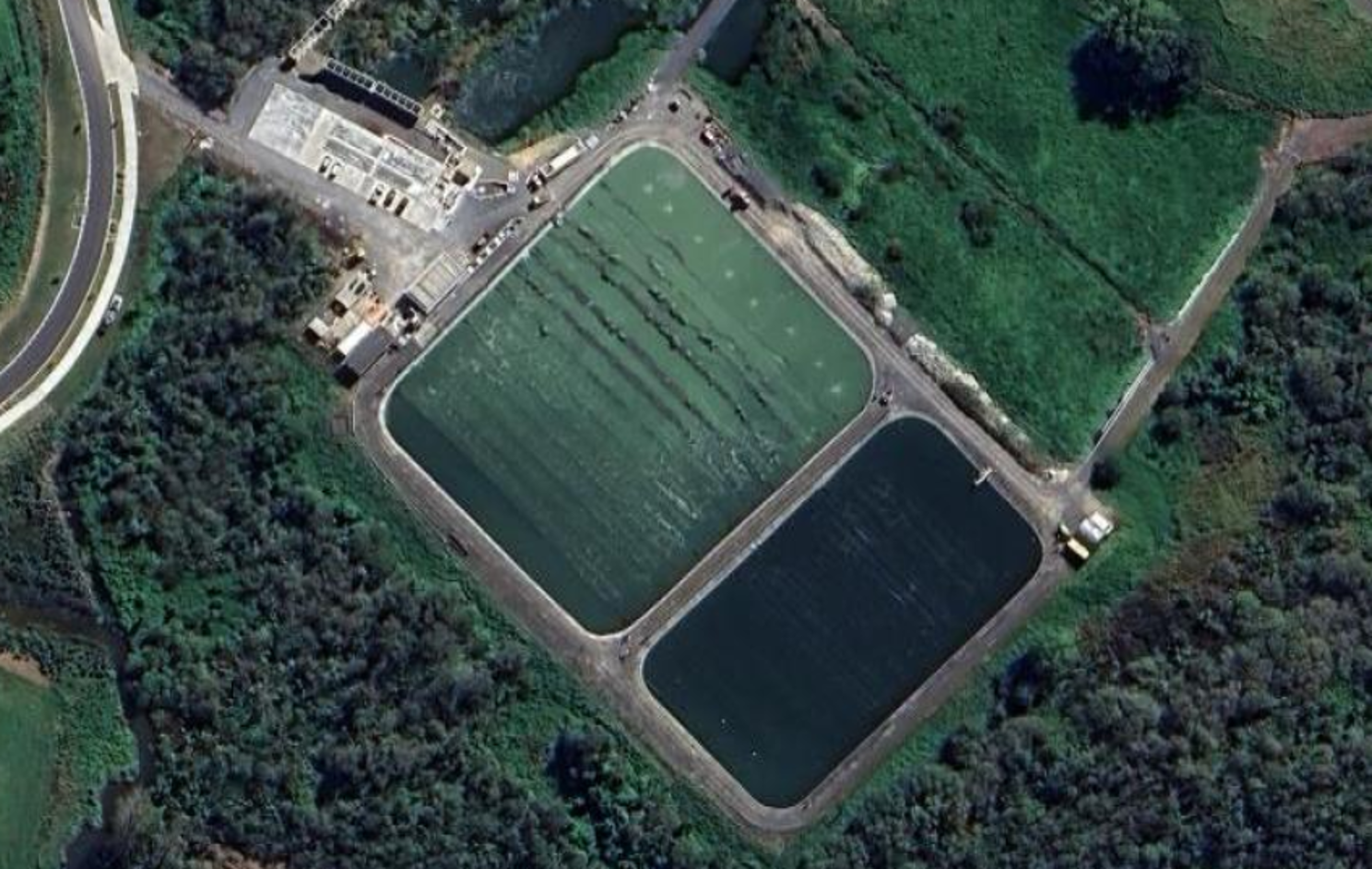
A Lagoon System at Its Limits
The existing wastewater treatment plant was based on a lagoon system. Lagoons can be effective in the right context, but they may struggle when influent loads rise or discharge expectations tighten. At Te Kauwhata, the lagoon system was no longer consistently meeting discharge requirements, creating compliance risk and increasing the environmental importance of an upgrade.
The project therefore called for more than incremental maintenance. It required a treatment approach that could improve effluent performance within the constraints of an existing municipal site, while leaving room for future capacity growth as demand evolved.
Two Membranes, One Outcome
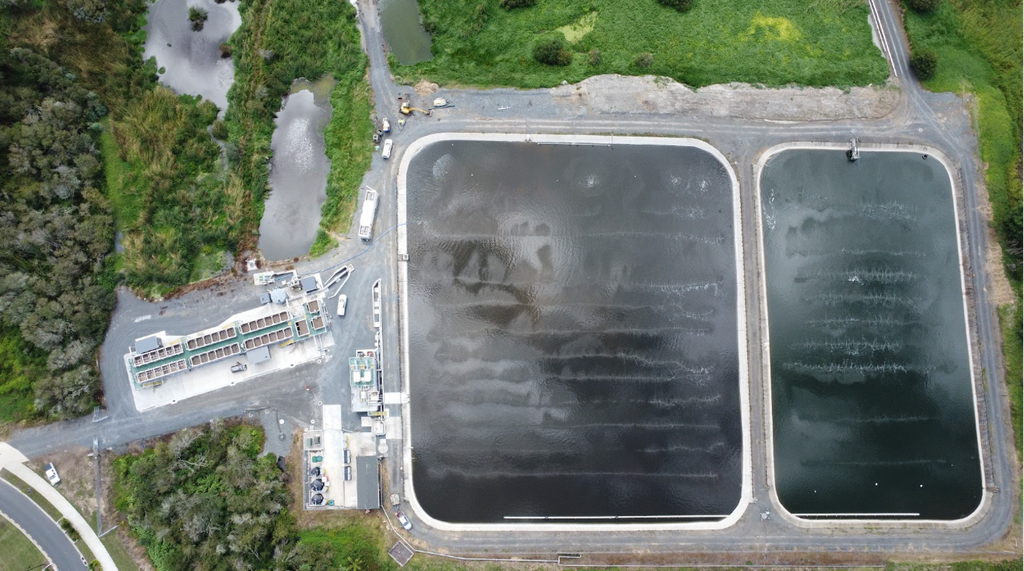
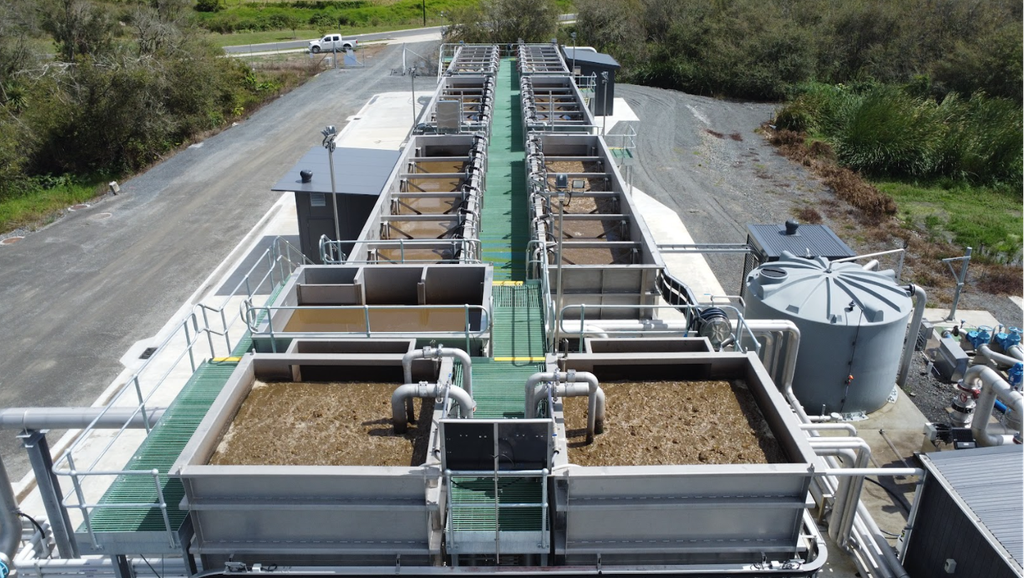
To address this, Veolia’s water technologies specialists supplied and installed a hybrid treatment solution combining two membrane-based technologies, the ZeeLungTM Membrane Aerated Biofilm Reactor (MABR) and the ZeeWeedTM Membrane Bioreactor (MBR). The installation marks the first MABR/MBR application in Asia Pacific.
The ZeeLung MABR uses cassettes immersed in the biological reactor to support biofilm growth, with a gas-transfer membrane that delivers oxygen directly to the biofilm – creating the conditions for nitrogen removal within a compact footprint. The ZeeWeed MBR then uses hollow-fibre ultrafiltration membranes to separate suspended solids and pathogens from the treated effluent, producing water clean enough for safe reuse or discharge.
More broadly, the MABR technology is generally associated with high oxygen transfer efficiency, lower energy consumption and reduced nitrous oxide emissions compared with conventional aeration methods. These advantages are prompting wider interest across the wastewater sector, though these remain general characteristics of the technology rather than measured results at this specific site.
At Te Kauwhata, the combined system treats an average flow of 1,500m3/d, with treated effluent discharged into Lake Waikare. Its modular design allows the plant to be expanded or reconfigured as demands continue to grow, without requiring a complete rebuild.
What the Data Shows
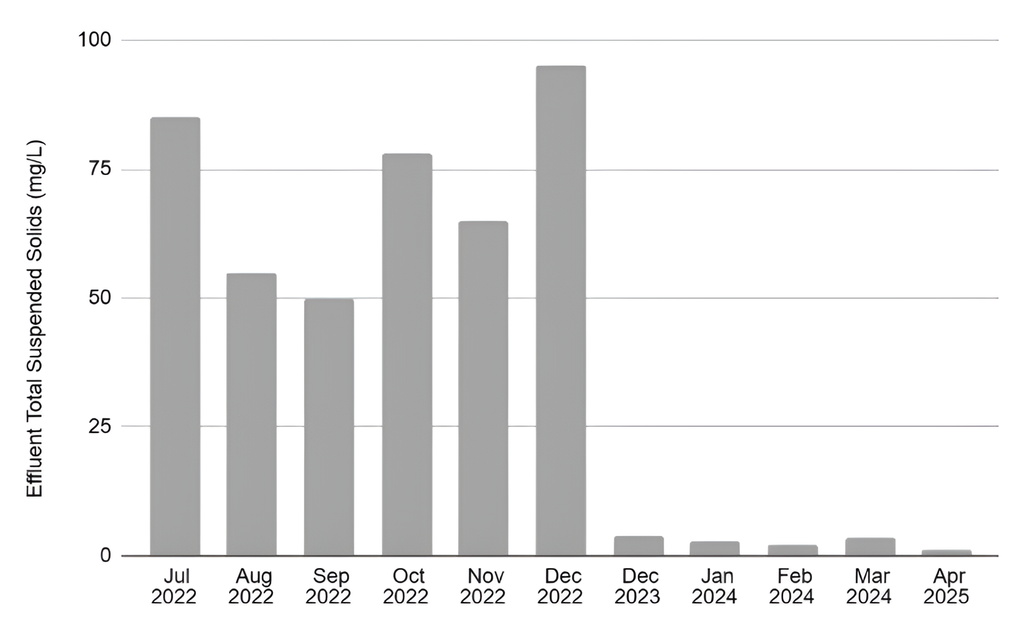
Before the upgrade, effluent total suspended solids (TSS) at Te Kauwhata routinely exceeded 50mg/L, spiking as high as roughly 90mg/L in the months leading up to commissioning. Since the hybrid ZeeLung MABR and ZeeWeed MBR systems came online, that figure has fallen to a 12-month median of 1.8mg/L – comfortably inside the plant’s 5mg/L target, and a marked shift from the lagoon system it replaced.
The other effluent parameters tell a similar story of headroom rather than narrow compliance. Five-day carbonaceous biochemical oxygen demand (cBOD5) is tracking at a median of 0.9mg/L, well under its 10mg/L target; total phosphorus at 2.6mg/L, against a limit of 5.6mg/L; and total nitrogen at 4.5mg/L, against a limit of 8mg/L. Across each parameter, the plant is not merely meeting its resource consent conditions but operating with a buffer that gives the council confidence as demand continues to grow.
The nitrogen figure is the most consequential for the plant’s surrounding environment. Excess nitrogen discharged into waterways is a key driver of eutrophication, the process by which nutrient enrichment fuels algal blooms and depletes oxygen in receiving waters. For a plant discharging into Lake Waikare, keeping nitrogen well under target serves as a direct safeguard for the environment, rather than a mere technicality. By intensifying nitrogen removal within the existing reactor footprint, the ZeeLung MABR addresses that risk without requiring additional land or a new treatment basin.
Former Waikato District Mayor credited the project with a range of benefits for the community, “The successful completion and operation of the MABR/MBR wastewater treatment plant has achieved several positive outcomes, ranging from improved water quality and environmental benefits to compliance and resilience. These collectively contribute to a healthier and more sustainable future for the community and the region.”
A Broader Industry Signal
Te Kauwhata’s experience points to a wider lesson for utilities navigating similar pressures. As municipalities across Asia Pacific continue to grow, many face the same overlapping demands: rising capacity requirements, tightening discharge standards and a mandate to protect the environments their treatment plants discharge into.
This is not a challenge unique to New Zealand. Utilities managing older treatment assets more broadly are increasingly navigating the same combination of pressures. Many operate infrastructure designed for a smaller population base, face nutrient discharge standards that have tightened over time and have limited land or capital available for a full plant rebuild. Where that scale of investment is neither affordable not necessary, retrofitting existing infrastructure with more intensive treatment technology is emerging as a practical alternative.
The project demonstrates that upgrading an existing site with modular, process-intensifying technology can restore and exceed regulatory compliance, without the cost or disruption of a full plant rebuild. As treatment needs grow, that same modular approach allows capacity to scale incrementally, offering utilities a practical pathway to long-term water security and environmental security alike – outcomes that depend on treating water, waste and energy not as isolated compliance boxes to tick, but as connected parts of the same environmental system.
In New Zealand, water carries a significance that goes beyond regulatory compliance. Freshwater is widely recognised, including in national policy, as a taonga (treasure) and a living system, with kaitiakitanga (guardianship) framing its stewardship as an intergenerational responsibility rather than a technical target to be met. Against that backdrop, environmental security is not just a matter of hitting effluent limits; it is a matter of purpose. This is the broader pattern in how Veolia works with industrial and municipal customers across the region – recognising water, waste and energy needs as interrelated priorities rather than separate concerns and helping utilities like Te Kauwhata’s balance growth with environmental responsibility. The success of this project offers other municipalities still weighing that same balance a working answer, proof that the right technology can help aging infrastructure keep pace with growth rather than be outrun by it.