

Now is the Time for Managed Services in Water
The rapid evolution of water conservation technologies over the past decade is reshaping how utilities think about asset ownership, data and operational delivery.
Devices such as acoustic loggers, correlators and pressure and flow monitors are smarter, cheaper, more durable and capable of producing vast amounts of real-time data. Thanks to improved connectivity and intelligence, these tools are becoming increasingly powerful.
As deployments scale into the tens or even hundreds of thousands, utilities face a new challenge: how to manage these assets and interpret the data they generate. Unlike in the past, when updates from dataloggers were daily or hourly, utilities now receive continuous real-time information, amounting to billions of datapoints annually.
Momentum is building behind managed services in water, with growth expected to continue in 2026 and well beyond.
Frederic Gillant, Ovarro, Regional Director – APAC
This expanding asset base and data capture is prompting utilities to question whether they need to own this hardware at all – and whether they have the resources to analyse unprecedented data volumes effectively. As a result, the sector is shifting toward managed service models, where a specialist provider takes responsibility for a specific business function.
Rather than simply supplying equipment, the partner uses its advanced technology and in-house expertise to deliver agreed outcomes – such as a measurable reduction in water loss – along with insights that support proactive asset management.
This approach frees up utilities’ internal teams to focus on core business areas while handing over specialist tasks, such as data analytics, to experts. Far-reaching benefits include cost efficiency, scalability, predictable costs and access to the latest technology – all contributing to improved performance and greater resilience, particularly in areas where there may be skills shortages.
Significant growth
Ovarro has provided managed services to the water sector in Europe and Asia for several years and is seeing significant growth – anticipated to continue through 2026 and beyond.
The company’s suite of services includes control and monitoring, pipeline management, pollution reduction and water conservation, with a key focus on leak reduction – a strong example of how managed services can deliver measurable outcomes:
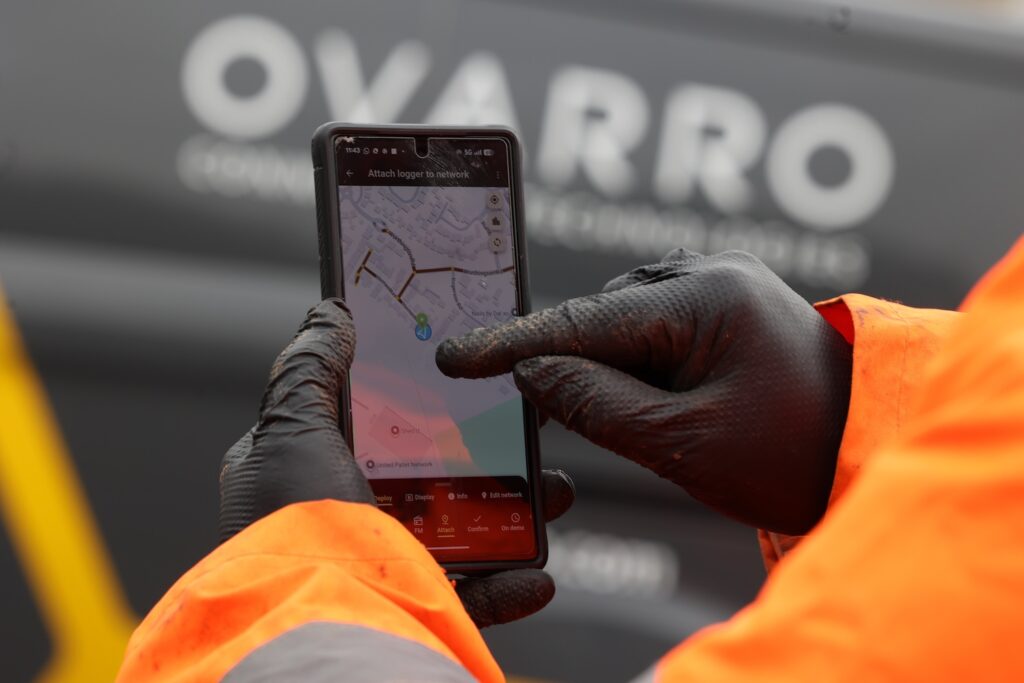
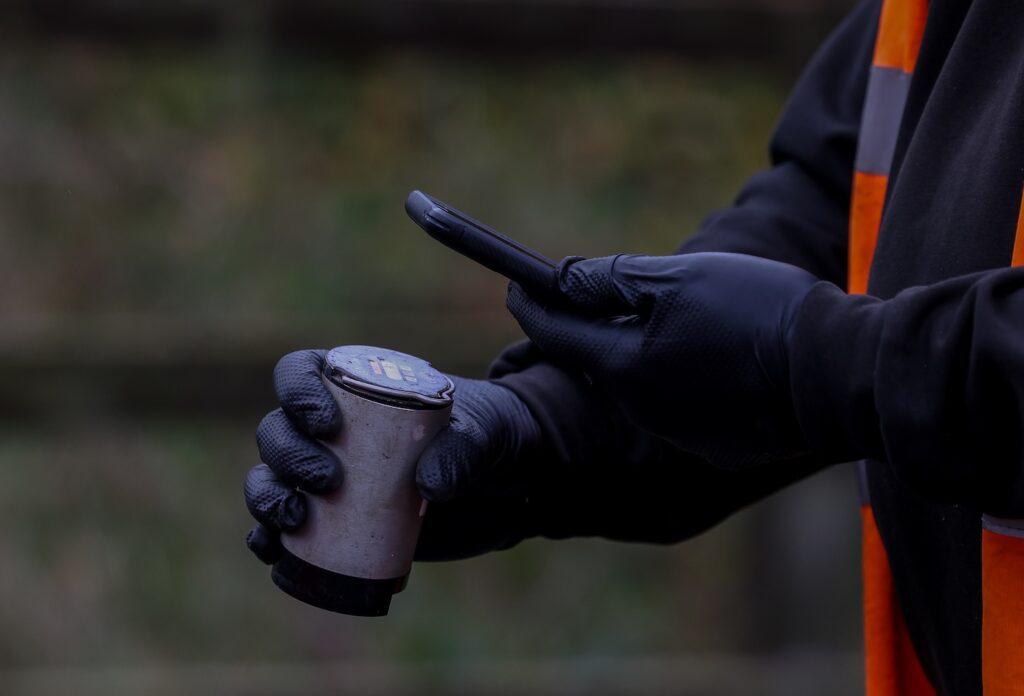
- LeakNavigator launched in 2023 and is now available in the Asia-Pacific region, including Malaysia. The package comprises advanced dataloggers, cutting-edge analytics and Ovarro’s in-house expertise. Leakage and data specialists can plan logger deployment and provide ongoing analysis, sending points-of-interest directly to field teams via an app for investigation.
- In the UK, Southern Water and Thames Water were among early LeakNavigator adopters, targeting specific district metered areas as part of their overall leakage strategies. For Southern Water’s initial deployment, an overall conversion rate of 80% was recorded for category 1 highest priority alerts. For Thames Water, just 20 weeks into deployment, 788 leaks were raised and a total of 5.78 Ml/d of water saved.
- LeakCommander is Ovarro’s latest managed service and represents another industry first, letting operators take ownership of lift-and-shift leakage detection. Launched in the UK in 2025, the model has been adopted by several UK water companies. It has now launched globally, including across Asia-Pacific.
First steps
When considering a move to a managed service, companies should ask: are we achieving the results we want? Do we have enough people with the right skills to meet our targets? If no, a managed service may be the solution to bridge that gap.
The first step is consultancy. Ovarro’s technical specialists talk with clients about the challenges they face and the options available – managed services are not one-size-fits-all, and a range of specific service levels is available. This initial phase helps determine whether a managed service is the right solution for the client’s goals.
Following consultancy, Ovarro moves into service design, developing a proposal and commercial model based on the client’s needs. Once contracted, it implements the service, manage and operate it, delivering measurable outcomes and presenting results. Live dashboards are available 24/7 to show the customer how the service is performing against objectives, and the model will include regular delivery meetings and business reviews.
Positive partnership
For many water companies, adopting a managed service represents a significant change. When selecting a partner, they should look for proven expertise and a track record of delivering measurable results.
The partner should also has financial stability and capacity to scale operations as needed – since much of this work is resource-intensive – while delivering services safely, legally and in compliance with all relevant regulations. These qualities will set the foundation for a successful transition, strong results and a lasting, positive partnership.
As water challenges intensify, interest in managed services will continue to grow – reflected in the increased referrals and inbound enquiries Ovarro is receiving. There has never been a better time to transition. By partnering with a specialist provider, utilities can leverage advanced tools and expertise to achieve their objectives and position themselves for long-term success.
Ovarro showcased managed services, as well as leakage detection hardware and analytics tools at the recently concluded ASIAWATER 2026, 7-9 April 2026 at Kuala Lumpur Convention Centre, Malaysia. Frederic Gillant presented a technology seminar on managed services on day two at 10.30am.